Introduction
Details
Services
Client
Launchmetrics
Year
2025
Timeline
18 Weeks
Credits
Designer
Génesis Peña
Designer
Paulina Oksa
Web Growth Executive
Scarlett Gurnham
The context
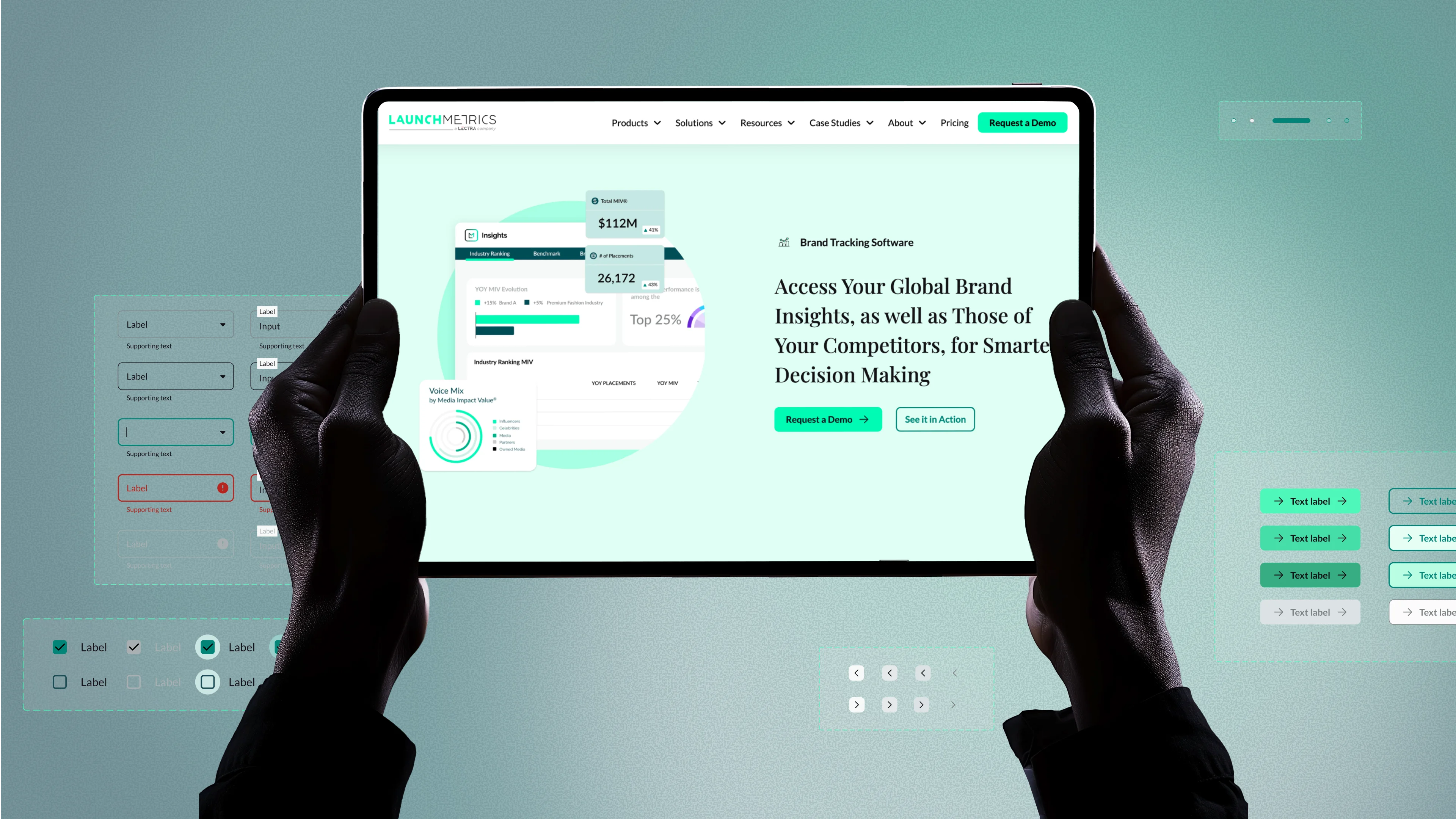
The website had evolved over 10 years into a fragmented system that slowed down updates, diluted messaging, and limited its ability to convert traffic into demos.
My Role: Led the redesign from a systems and conversion perspective, defining how structure, content, and design could better support the sales funnel.
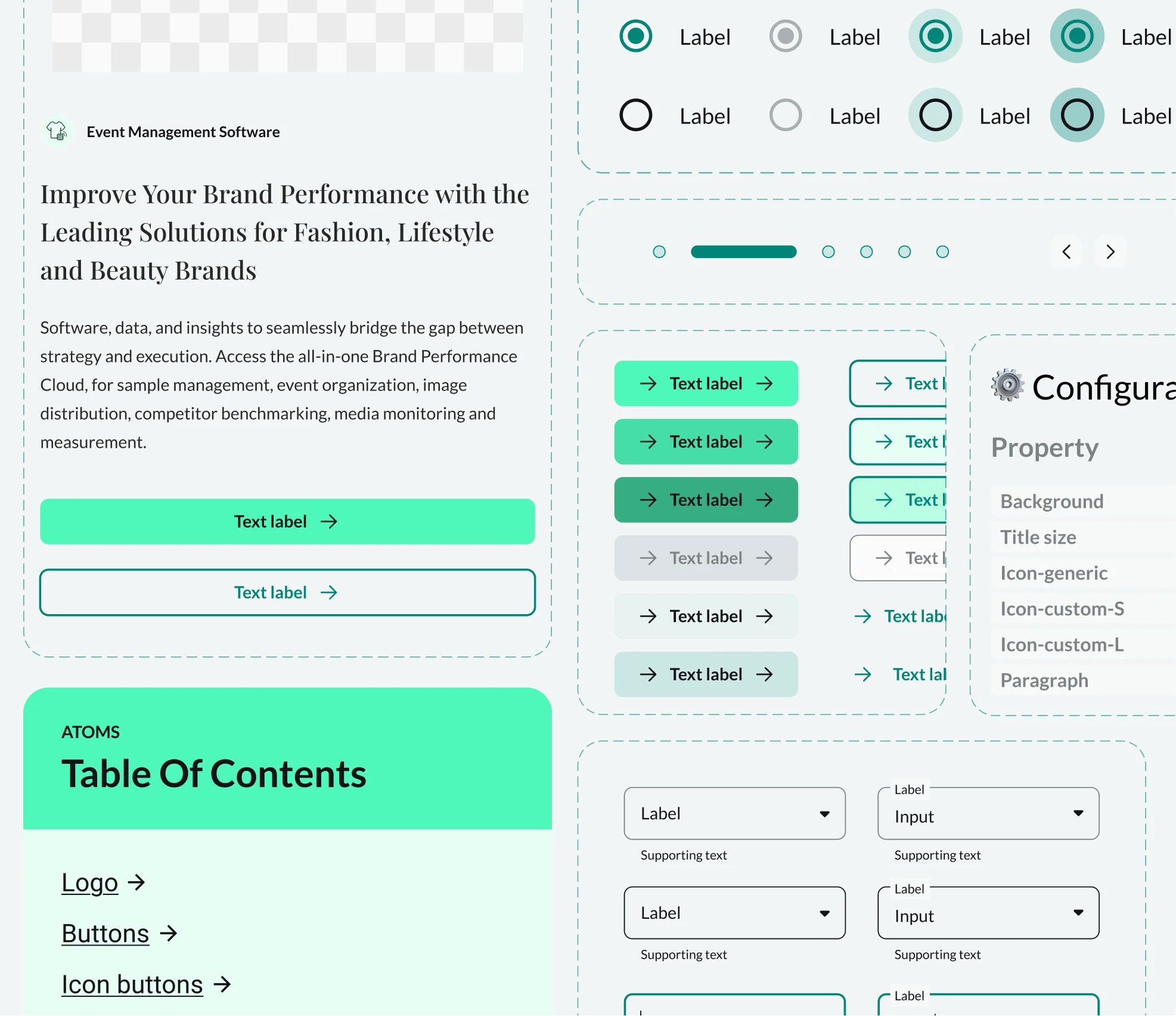
Process: Defined a clear page roadmap aligned with the funnel, conducted competitive benchmarking, translated insights into scalable UX patterns, built a modular design system, and worked closely with developers for WordPress implementation.
Challenge
The existing website had grown organically over time, leading to:
Inconsistent layouts and visual language
Difficulty scaling or updating content efficiently
Missed opportunities to support CRO and SEO efforts better
At the same time, the project had a major constraint: timing.
We needed to redesign and develop the entire website while building a design system from scratch, with design and development happening simultaneously.
Solution
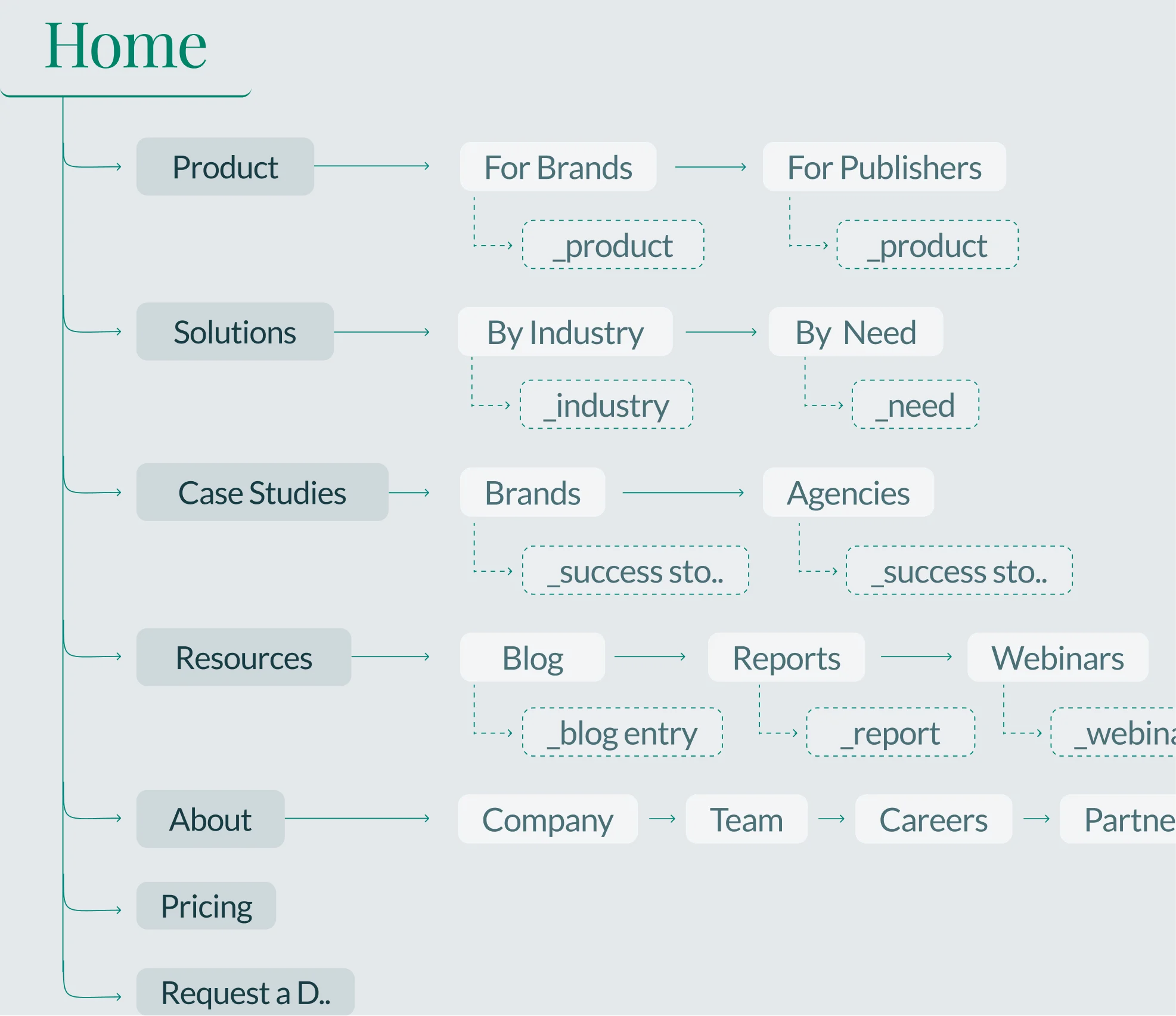
This project required balancing speed and long-term scalability, forcing us to make decisions that prioritized impact over perfection. To address structural inefficiencies, we collaborated with Web Growth and business stakeholders to define a clear page roadmap aligned with the conversion funnel. This resulted in a clear page ecosystem.
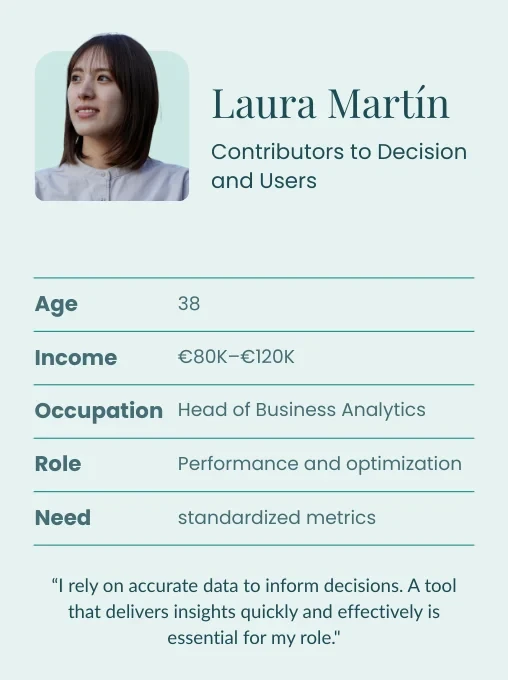
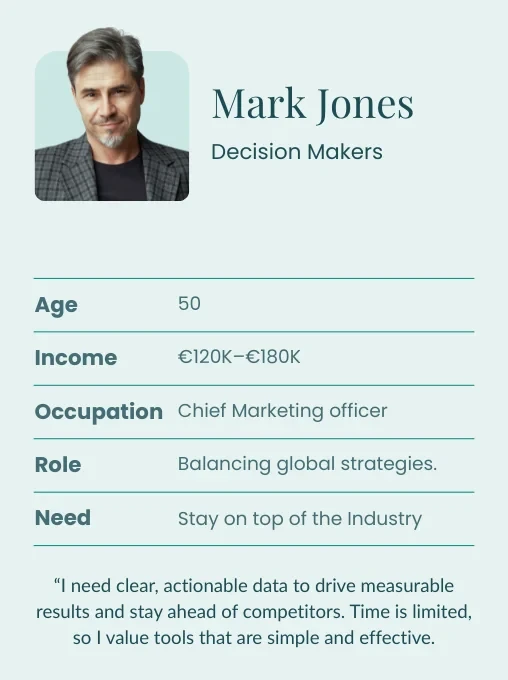
Simplifying audience complexity
The platform serves 14 distinct personas across multiple solutions. To identify patterns and reduce complexity, I used AI-assisted analysis to synthesize behavioral similarities across profiles.
This enabled grouping users into core audience types, making it easier to design clearer messaging structures and more focused user journeys.
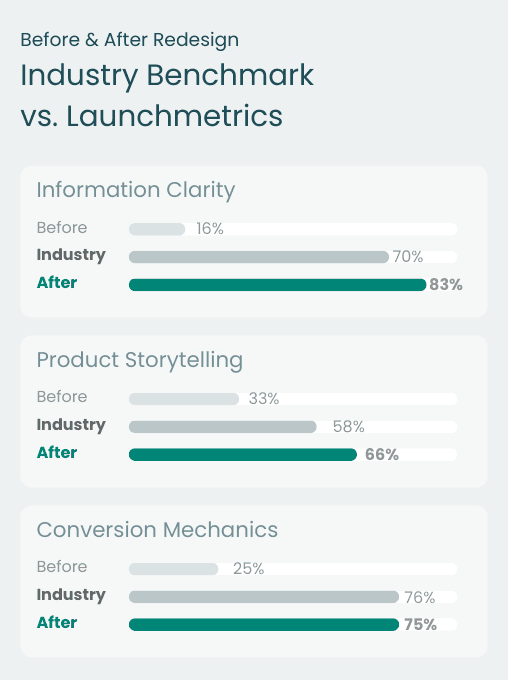
Industry patterns informing the system
The benchmark revealed three dominant pattern clusters across high-performing SaaS websites. These insights informed the structural direction of the new system, focusing on:
Clarity over complexity
Structured product storytelling
Frictionless conversion
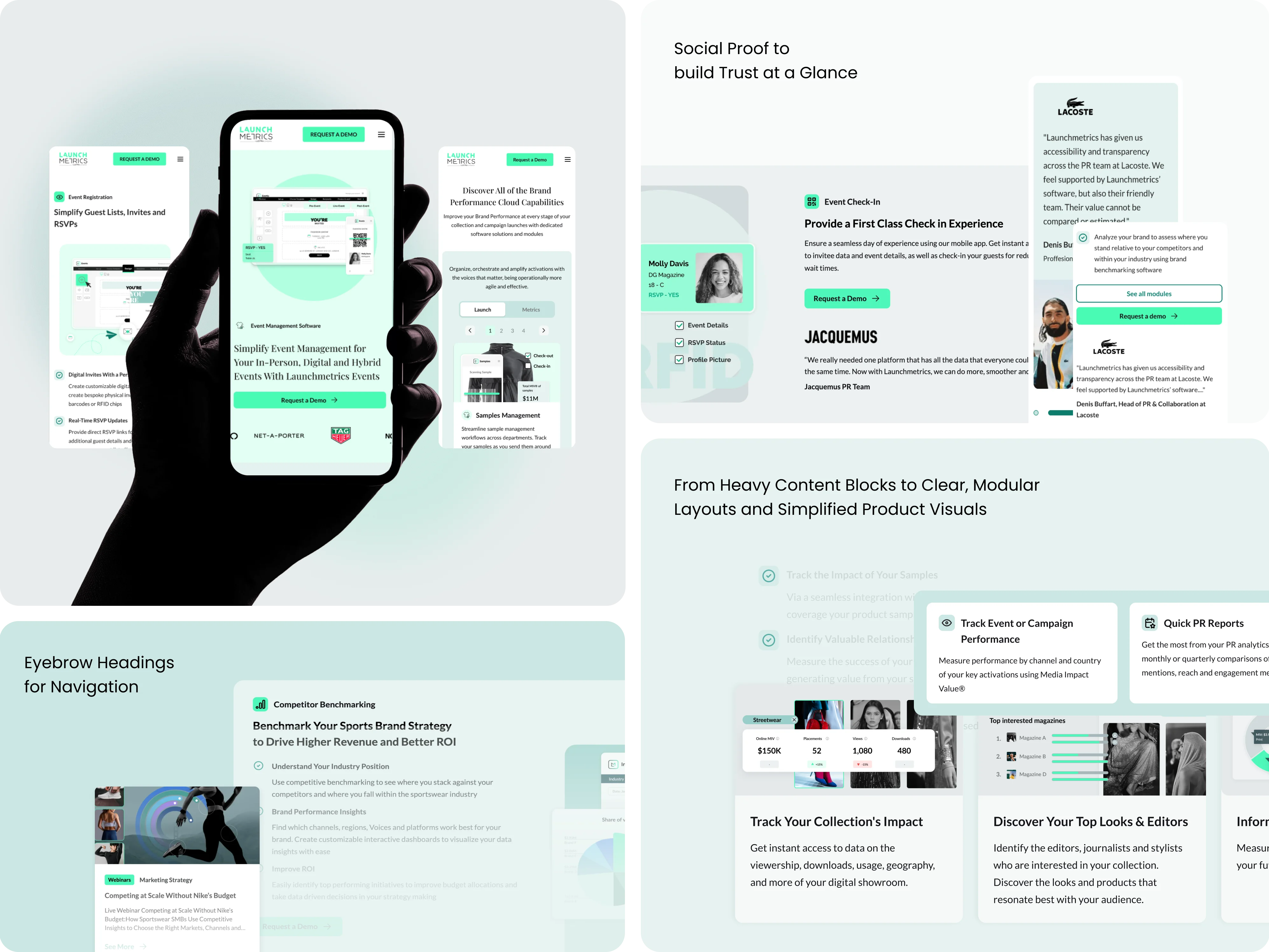
These were translated into scalable UX principles applied across the system: improving information hierarchy, reducing cognitive load, modularizing content, clarifying complex product narratives, reinforcing trust at decision points, and simplifying conversion forms.
The result was a structured, scalable system aligned with both user behavior and industry standards.
The Outcome
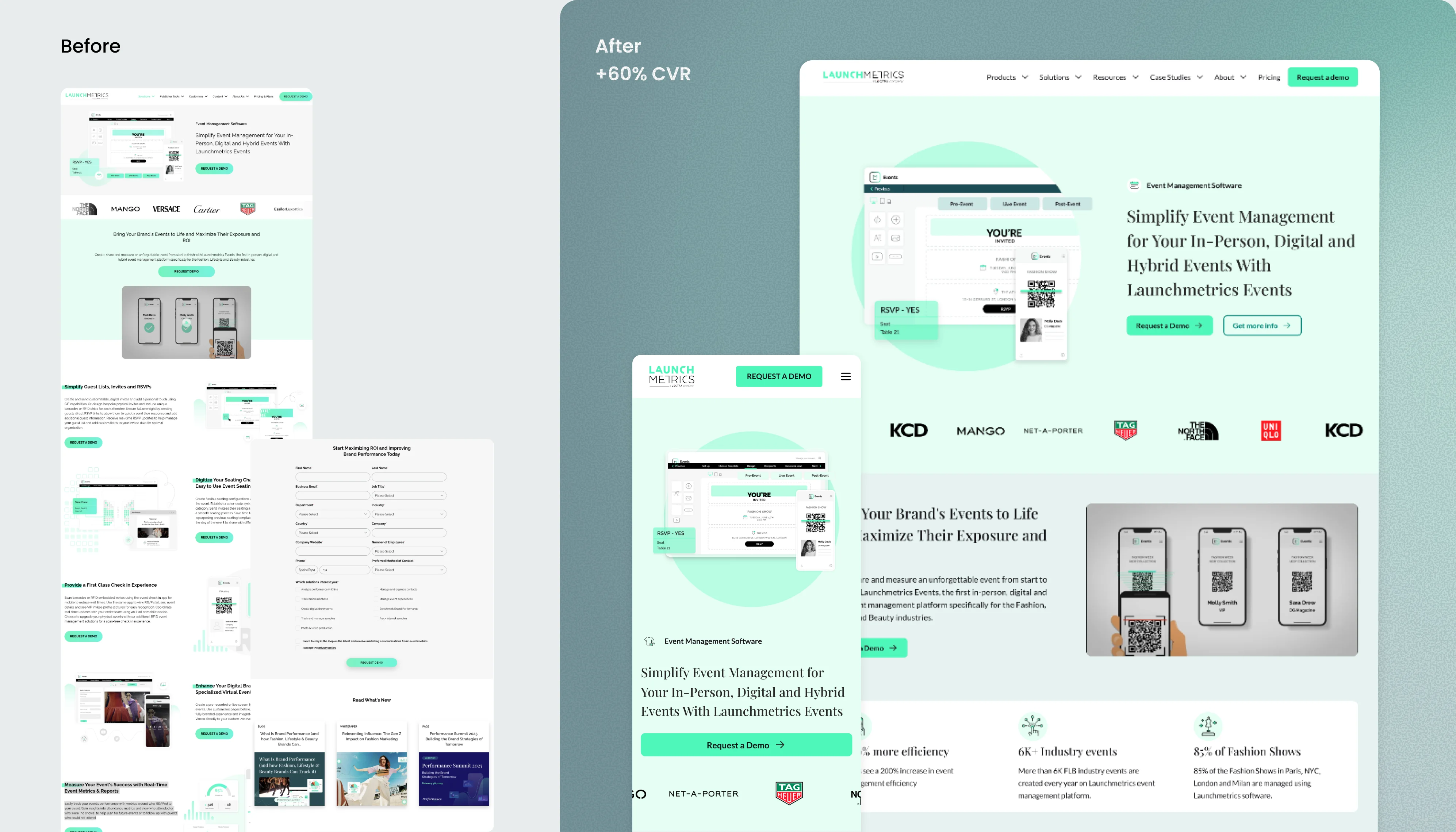
The new system improved clarity and distributed conversion more effectively across the funnel.
Product pages: +60%
Solutions pages: +87%
Industry pages: +58%
Homepage: +55%
More importantly, conversion impact shifted earlier in the journey, making the entire site more effective at generating demand.